
Installing a new bathroom is one of the most rewarding home upgrades—but it’s also one of the easiest to get wrong. Small errors can lead to leaks, mould, awkward layouts, or long-term maintenance issues. Whether you’re renovating your own home or advising clients, understanding the most common pitfalls can save a huge amount of time, money, and frustration. Here are ten bathroom installation mistakes to watch out for—and the simple ways to avoid them.
1. Bad Layout Decisions
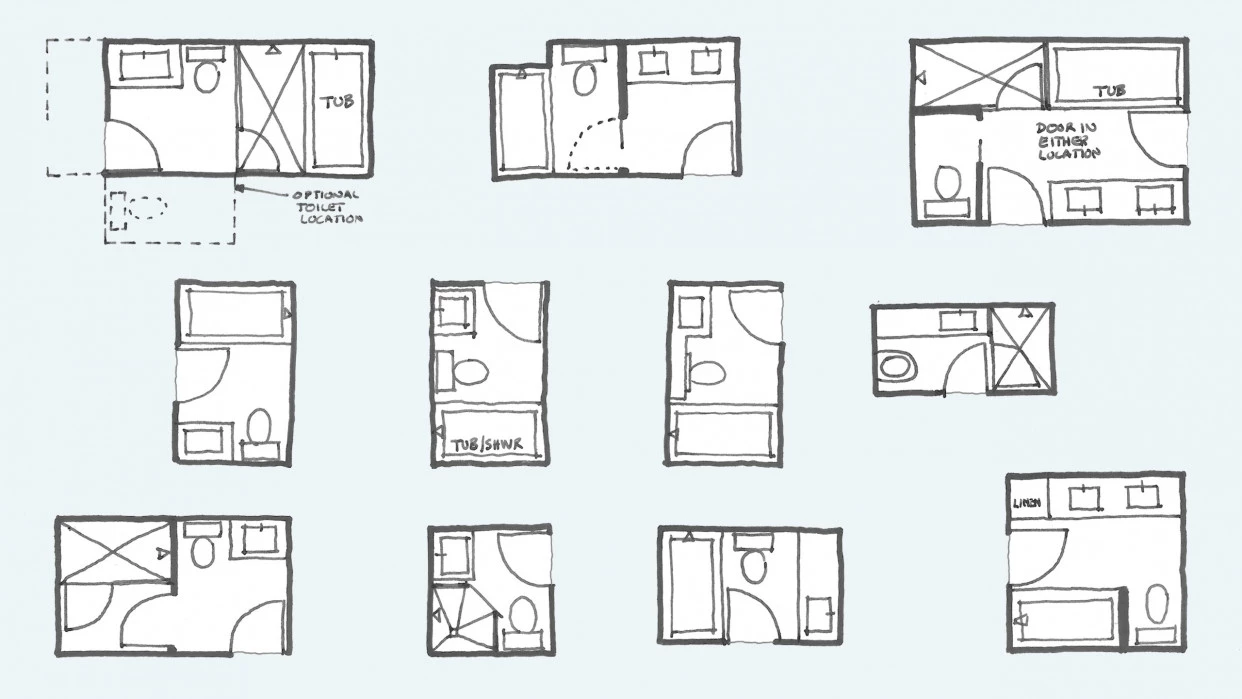
The most crucial step in any renovation project is planning, yet it is so easy to get wrong. A bathroom can look beautiful on paper but function terribly in real life. Common layout mistakes include placing the toilet too close to a wall, choosing a shower position that causes constant splashing, or fitting fixtures that block walkways. These issues make the room feel cramped and inconvenient.
How to avoid it: Make a layout plan using a program like RoomSketcher, SmartDraw or Planner 5D. Plan the layout based on how the space will actually be used. Allow enough clearance around the toilet, position the shower so water stays contained, and avoid overscaled fixtures. Working with scaled drawings—or even laying out cardboard templates—can help you visualise and perfect the design before any installation begins.
2. Incorrect Drainage and Floor Falls
Flat floors and showers might look good at first glance, but without the right gradient, water will pool instead of flowing to the drain. This is one of the most common issues in new wet rooms.
How to avoid it: Ensure the shower area or floor has a proper fall toward the drain. Pre-formed shower trays help, or hire a professional to screed the floor correctly before tiling.
3. Ignoring Electrical Safety Zones
Electrical mistakes in a bathroom are not just inconvenient—they’re dangerous. Fitting non–IP-rated lights or placing sockets too close to water sources violates safety regulations.
How to avoid it: Understand bathroom electrical zones (0, 1, and 2) and ensure all fittings are properly rated. Look at the diagram below for a clearer understanding of electrical zones. When in doubt, consult a qualified electrician!

4. Poor Waterproofing
Waterproofing is the backbone of a long-lasting bathroom. When the tanking system is rushed or done incompletely, water can seep into walls and floors, causing hidden damage that might not appear for months. Even a small gap behind tiles can lead to swelling, mould, or structural problems.
How to avoid it: Use a proper tanking kit or waterproof membrane, apply it generously in all corners and joints, and allow full drying time before tiling.
5. Inadequate Ventilation
Bathrooms generate a lot of moisture, and without proper ventilation, the space becomes a breeding ground for mould and bacteria. A small, cheap extractor fan simply can’t cope in most modern bathrooms, especially those with powerful showers.
How to avoid it: Choose a fan with the correct extraction rate and position it close to the main moisture source. Adding a timer or humidity sensor ensures the fan keeps working even after you leave the room.
6. Poor Pipework Planning
Hidden pipework is easy to forget until it becomes a problem. If pipe runs aren’t planned properly, you might end up with fixtures in the wrong place or have trouble accessing valves for future maintenance.
How to avoid it: Map out all plumbing routes before installation. Keep important components accessible and use quality fittings to prevent future leaks.
7. Wrong Height for Fixtures
Mounting fixtures—such as shower heads, mirrors, towel rails, or recessed niches—at the wrong height can make the bathroom uncomfortable or awkward to use.
How to avoid it: Follow ergonomic guidelines or customise the height to the main users. Always test positioning before drilling or fixing elements permanently.
8. Cheap or Unsuitable Materials
Not all materials can cope with humidity. MDF cabinets, bargain-basement taps, or untreated timber may look fine initially but can quickly warp, rust, or degrade.
How to avoid it: Choose moisture-resistant materials (like HDPE, PVC, StarBoard, MDF, ceramics/porcelain, stainless steel) and fixtures designed specifically for bathrooms. Quality upfront prevents costly replacements later.
9. Bad Tile Alignment and Wrong Tile Choice
Tiles can make or break the look of a bathroom. Misaligned grout lines, awkward cuts, or tiles that don’t suit the room’s gradients all create an unprofessional finish.
How to avoid it: Dry-lay tiles first to visualise the pattern. Use smaller tiles or mosaics in areas with slopes or niches, and double-check alignment before applying adhesive.
10. DIY Silicone and Sealant Errors
A surprisingly common issue is poorly applied silicone. Thin beads, gaps, or sealant applied to damp surfaces almost guarantee leaks, especially around showers and baths.
How to avoid it: Clean and dry every surface thoroughly. Apply an even, continuous bead and allow it to cure fully before using the bathroom.
A well-installed bathroom should be functional, watertight, and built to last. By understanding these common mistakes and taking time to plan and prepare, you can avoid the most costly issues and create a space that looks great and performs flawlessly for years to come.